Our expertise covers the entire gamut of the software lifecycle, including requirements gathering, code analysis, review, software design, business intelligence, software development, testing, and finally implementation.
We surround your organization with our prolific security veils including cloud VPN networking, threats detection, firewall protection, zero-day threat removal and protection, 24x7 security operations, and much more.
As a pioneer software development company in India, we have proficient engineers who exploit a blend of cutting-edge technologies and build world-class software applications on a variety of platforms for clients ranging from Fortune 500 companies to dynamic startups.
Top 7 Threat Detection Tools for Enhanced Cybersecurity in 2026
In today’s rapidly evolving digital landscape, cyber threats are more sophisticated, automated, and financially damaging than ever before. From ransomware attacks to AI-driven phishing campaigns and zero-day exploits, organizations face constant security challenges that demand proactive defense strategies.
Recent industry reports show that the average cost of a data breach in 2024 reached $4.88 million, reflecting a steady increase year over year. This rising financial impact makes one thing clear: reactive security is no longer enough. Businesses must invest in advanced threat detection tools that can identify, analyze, and respond to threats in real time—before significant damage occurs.
This comprehensive guide explores the most effective threat detection tools available in 2026. We’ll break down their key features, benefits, and ideal use cases to help you make informed security decisions. Whether you’re upgrading your existing infrastructure or building a new cybersecurity strategy, understanding these solutions is essential to protecting your organization’s valuable assets and maintaining operational resilience.
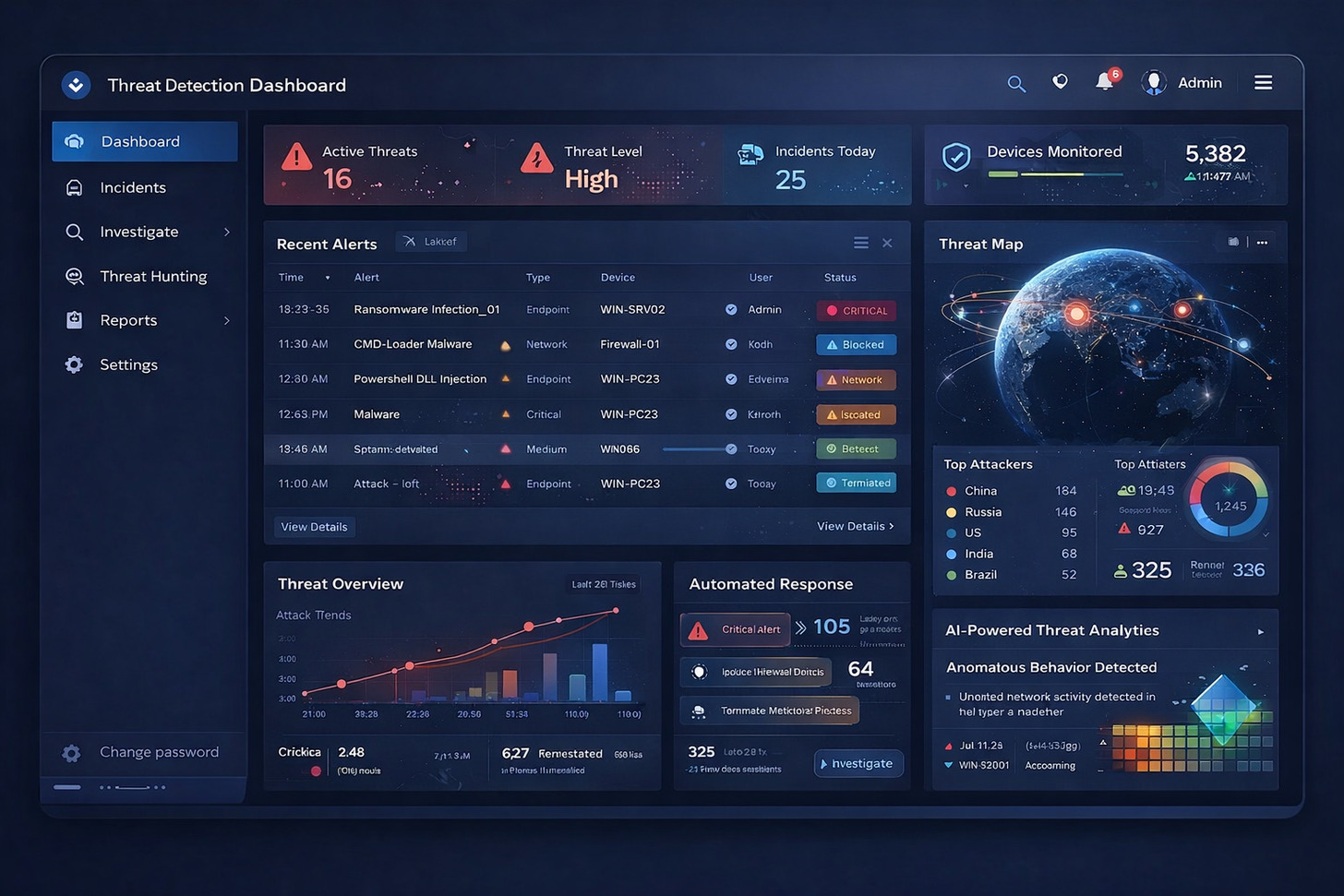
Modern threat detection systems provide comprehensive visibility across networksendpoints and cloud environments
What Are Threat Detection Tools?
Threat detection tools are specialized cybersecurity solutions designed to identify both known threats and unusual activity that may signal new or emerging attacks. Unlike traditional security systems that rely only on predefined rules or signatures, modern threat detection tools use advanced analytics and intelligence to detect suspicious behavior in real time.
These tools continuously monitor networks, endpoints, cloud environments, and user activity. When they detect potential malicious behavior, they generate alerts so security teams can respond quickly and prevent damage.
How Do They Work?
Advanced threat detection solutions use multiple techniques to improve accuracy and reduce false positives, including:
Behavioral analysis – Identifies abnormal activity by comparing actions against normal system behavior.
Threat intelligence feeds – Uses global threat data to detect known attack patterns.
User and Entity Behavior Analytics (UEBA) – Monitors user behavior to detect insider threats or compromised accounts.
Threat modeling – Maps possible attack paths to identify vulnerabilities before attackers exploit them.
Why Are They Important?
The effectiveness of threat detection tools lies in their ability to adapt. Cyber threats constantly evolve, using new tactics to bypass traditional defenses. Modern detection platforms update continuously, integrate AI and machine learning, and analyze massive volumes of data to stay ahead of emerging attack techniques.
As attack methods become more sophisticated, organizations must rely on intelligent detection systems that provide early warning, faster response, and stronger overall security resilience.
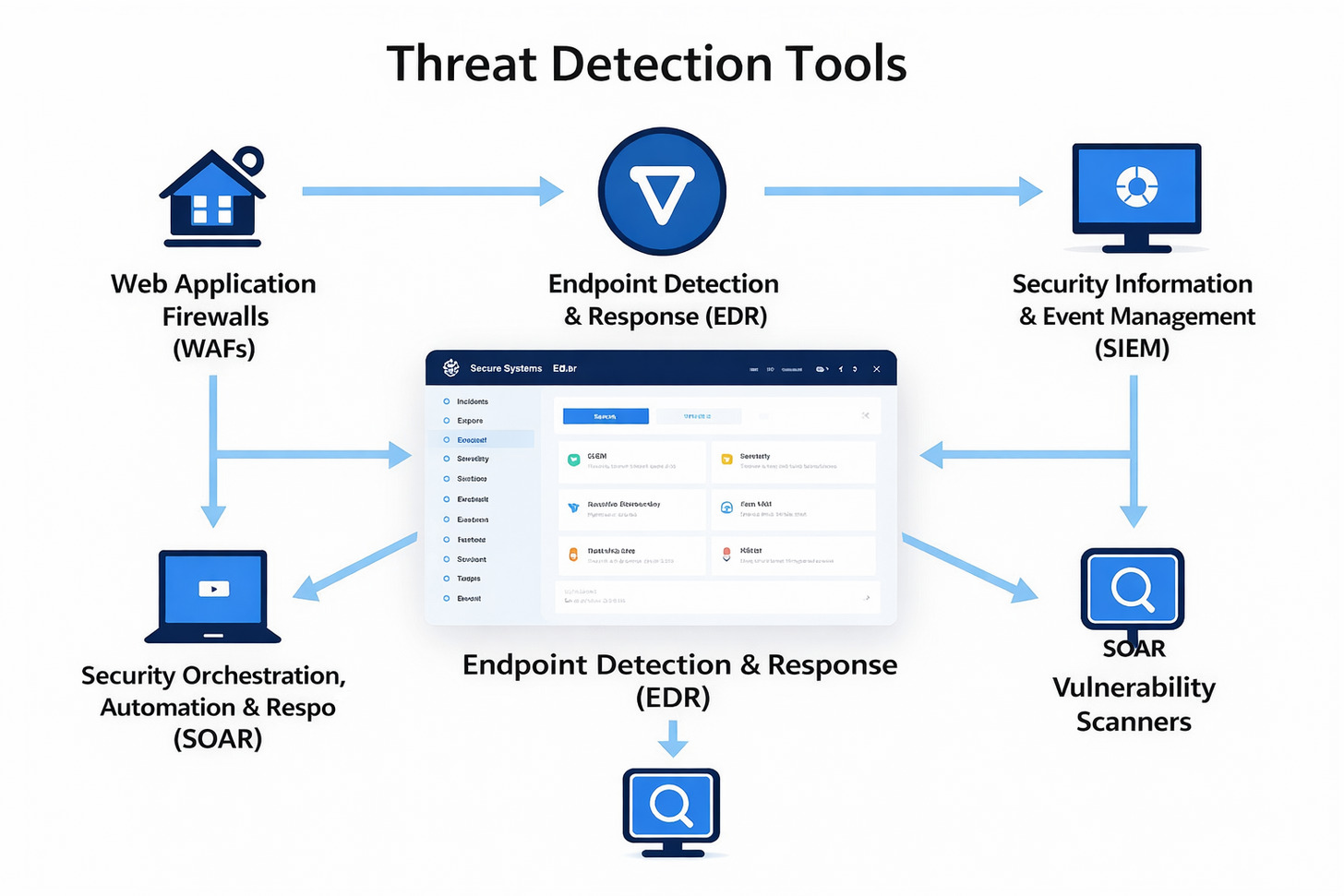
Types of Threat Detection Tools
Threat detection solutions come in various forms, each designed to address specific aspects of cybersecurity. Understanding the different types can help you build a comprehensive security strategy tailored to your organization’s needs.
WAFs filter incoming traffic and block malicious attacks targeting web applications. They protect against common vulnerabilities like SQL injection and cross-site scripting by monitoring HTTP traffic between applications and the internet.
By implementing a WAF, organizations can significantly reduce the risk of web-based attacks that could compromise sensitive data or disrupt critical services.
Vulnerability Scanners
Vulnerability scanners identify potential attack vectors that could be exploited by malicious actors. These tools scan systems and networks for flaws such as outdated software, configuration errors, and missing patches.
Regular vulnerability scanning allows security teams to proactively secure critical systems and sensitive data before attackers can exploit these weaknesses.
EDR tools continuously monitor endpoints (computers, servers, mobile devices) to detect suspicious activity and provide automated responses to potential threats. They play a crucial role in early threat detection and incident response.
With EDR solutions, organizations can quickly identify and mitigate security incidents before they spread throughout the network.
SIEM solutions collect and analyze security logs from various sources across a network. They provide a centralized view of security activity, helping teams detect threats in real-time by correlating events from different systems.
This correlation capability allows SIEM tools to identify complex security incidents that might not be apparent when looking at individual logs in isolation.
Security Orchestration, Automation, and Response (SOAR)
SOAR platforms automate responses to security incidents by coordinating different security tools. They streamline investigations and threat resolution through automated workflows, allowing security teams to respond quickly and efficiently.
By reducing manual intervention, SOAR solutions help organizations address the growing volume of security alerts with limited resources.
Threat Hunting Platforms
Threat hunting platforms enable security analysts to take a proactive approach to cybersecurity by uncovering hidden threats within an organization’s network. They gather and analyze security data from multiple sources to identify unusual activity and potential attacks.
With features like advanced search, behavioral analytics, and threat intelligence integration, these platforms help detect sophisticated threats that might evade automated detection systems.
Key Features of Effective Threat Detection Tools
When evaluating threat detection solutions, certain features distinguish truly effective tools from basic security products. These capabilities are essential for identifying and responding to today’s sophisticated cyber threats.
Comprehensive Threat Coverage
Effective threat detection tools should identify a wide range of threats, from common malware to sophisticated zero-day vulnerabilities. This comprehensive coverage ensures that organizations are protected against both known and emerging threats.
Continuous Monitoring
Real-time, continuous monitoring for signs of malicious activities is essential. Tools like SIEM and EDR enable security teams to maintain constant awareness of potential threats across their environment, allowing for rapid response when suspicious activity is detected.
Advanced Analytics
Modern threat detection relies on sophisticated analytics capabilities, including machine learning and artificial intelligence. These technologies can identify patterns and anomalies that might indicate a threat, even when the specific attack technique hasn’t been seen before.
Actionable Intelligence
Rather than simply generating alerts, effective tools provide actionable intelligence and recommendations for remediation. This guidance helps security teams understand the nature of the threat and take appropriate steps to address it.
User Behavior Analytics
By establishing baselines of normal behavior, threat detection tools can identify anomalies that may indicate unknown threats. This capability is particularly valuable for detecting insider threats and compromised accounts.
Integration Capabilities
The ability to integrate with existing security infrastructure is crucial for maximizing the effectiveness of threat detection tools. Seamless integration enables more efficient threat response and reduces the burden on security teams.
Top 7 Threat Detection Tools in 2026
After extensive research and analysis, we’ve identified the top threat detection tools that offer exceptional capabilities for protecting organizations against cyber threats. Each tool brings unique strengths to address different aspects of security.
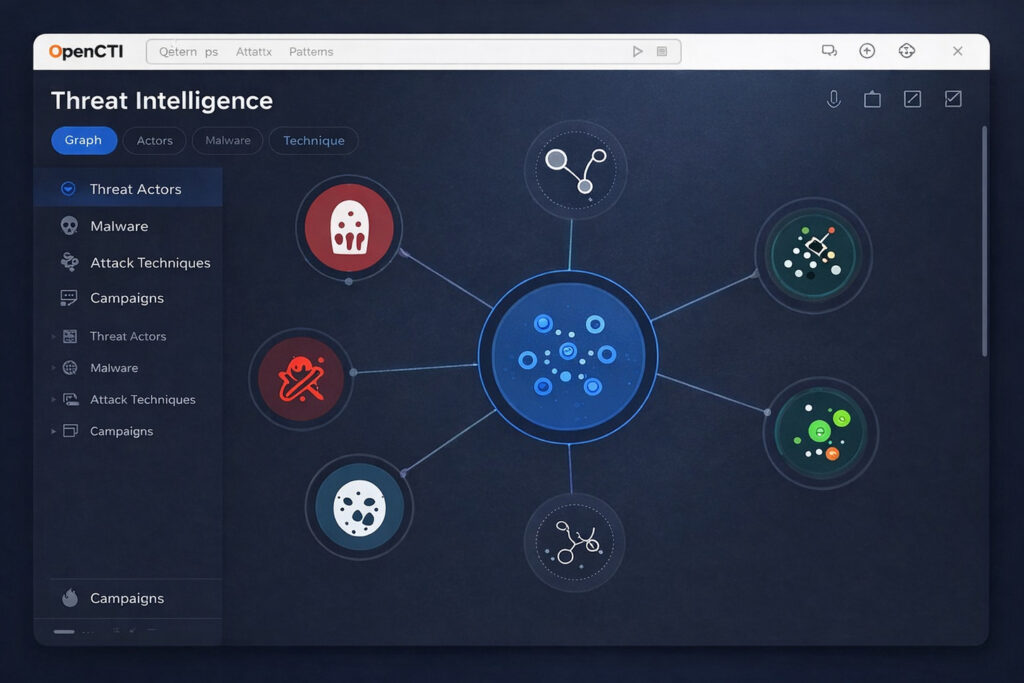
OpenCTI serves as a central, intelligent hub for cyber threat intelligence. It organizes scattered pieces of the threat landscape—from technical indicators to attacker motivations—into a logically structured format using established standards.
By connecting relationships between different threat elements, OpenCTI provides a clearer understanding of the threat landscape. It seamlessly integrates with other security tools to streamline workflows, enabling more effective analysis and utilization of threat intelligence.
Structured threat intelligence using STIX2 standards
Visualization of relationships between threat actors, malware, and techniques
Integration with existing security tools and workflows
Collaborative platform for sharing threat intelligence
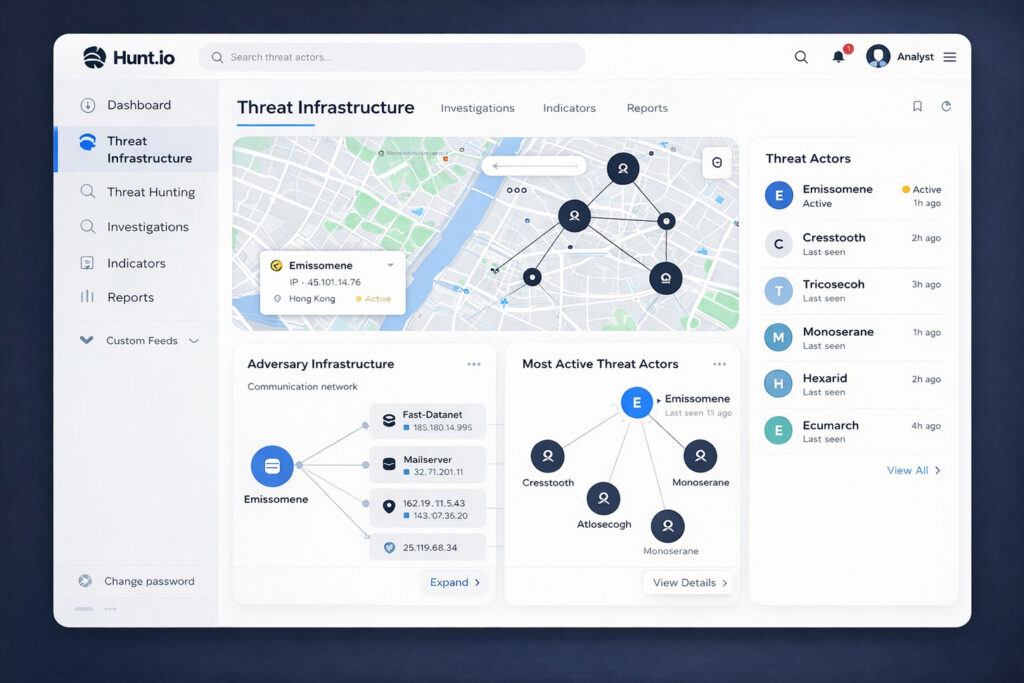
Hunt.io is designed for security teams who want to get ahead of attackers by tracking their infrastructure before it’s weaponized. Instead of waiting for malware or alerts, this platform focuses on identifying real adversary infrastructure, such as active C2 servers, phishing kits, and exposed assets.
With tools like IOC Hunter for converting public research into machine-readable intel, JA4+ fingerprinting for detecting evasive threats, and bulk enrichment for processing large volumes of indicators, Hunt.io helps threat hunters investigate with more context and fewer dead ends.
Early detection of adversary infrastructure before attacks
Advanced fingerprinting to identify evasive threats
Bulk enrichment of indicators for comprehensive analysis
Infrastructure correlation to connect related threat components
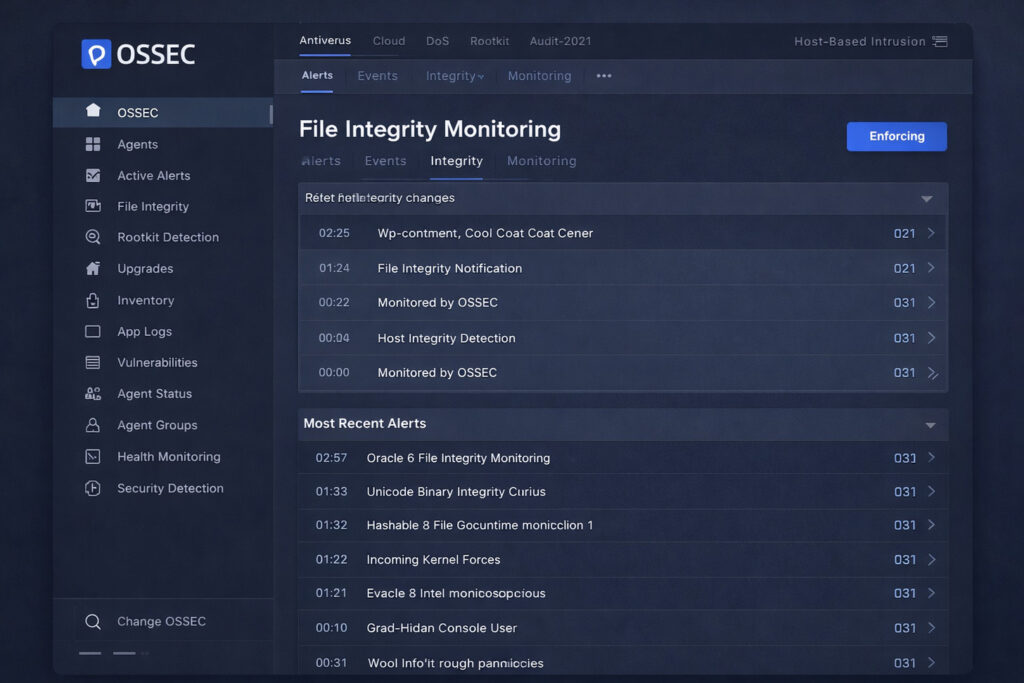
OSSEC is a free, open-source Host-based Intrusion Detection System (HIDS) that performs log analysis, file integrity monitoring, rootkit detection, and provides alerting and active response capabilities. It contributes to endpoint detection and response by providing detailed endpoint-level visibility.
While primarily a HIDS, OSSEC’s log analysis and active response capabilities make it a valuable component in building a broader security strategy when integrated with other tools. Its centralized monitoring and alerting are crucial for identifying threats across multiple systems.
File integrity monitoring to detect unauthorized changes
Log analysis across multiple platforms and devices
Rootkit detection to identify hidden malware
Active response capabilities for automated threat mitigation
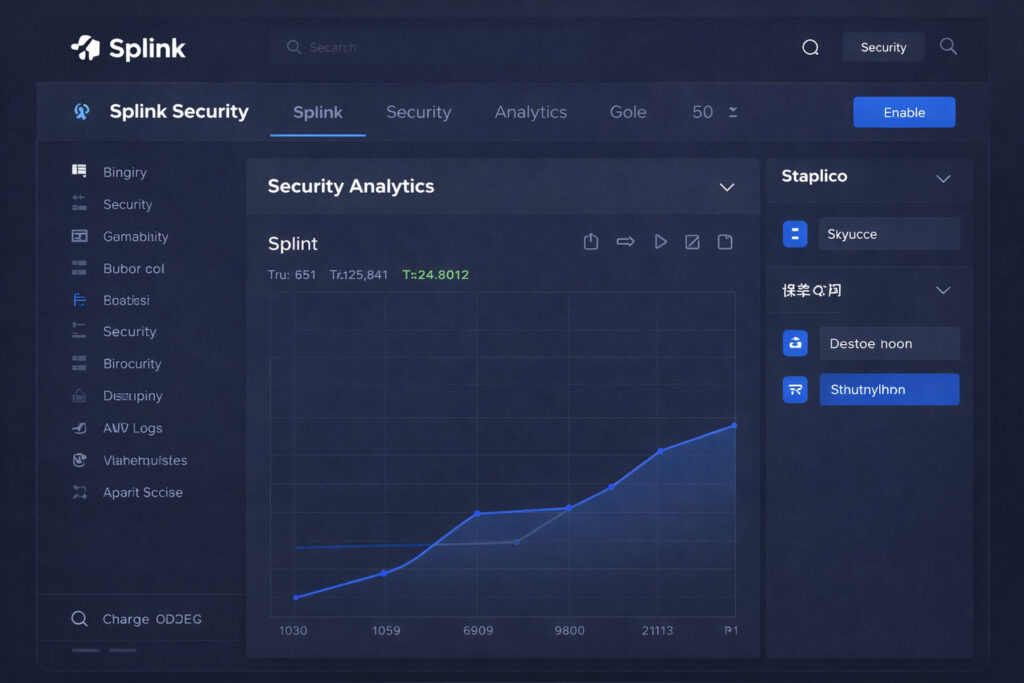
Splunk offers powerful log analysis and AI-driven threat detection capabilities available in both free and enterprise versions. Users can choose from deployment options like SaaS cloud applications or on-premises installations to fit their specific requirements.
With advanced analytics and user behavior analytics technology, Splunk enables security teams to detect and respond to security incidents effectively. Its machine learning capabilities make it one of the top threat detection platforms available today.
Advanced log analysis and correlation
Machine learning-powered anomaly detection
User behavior analytics to identify suspicious activity
Flexible deployment options (cloud or on-premises)
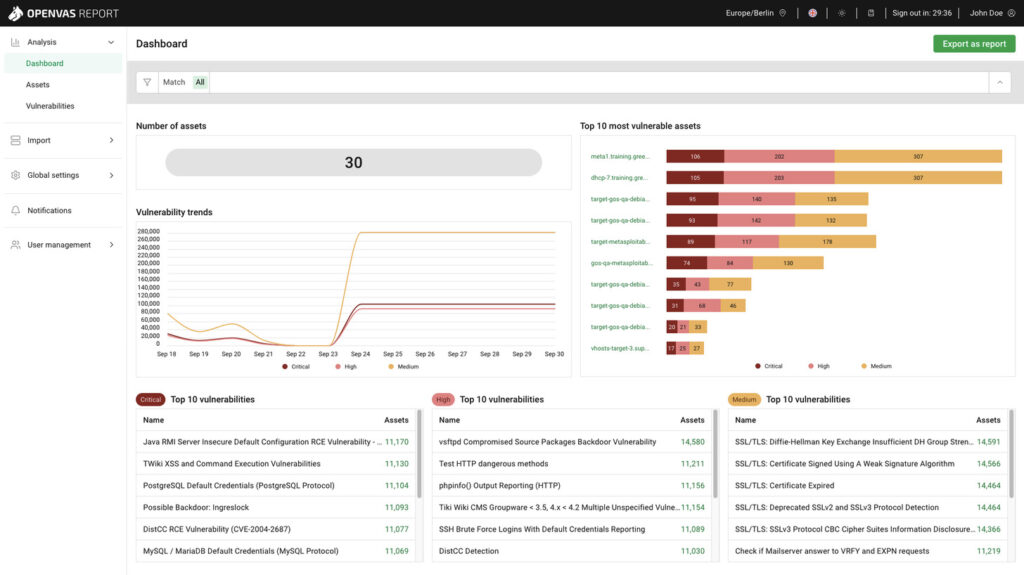
OpenVAS (Open Vulnerability Assessment System) is an open-source vulnerability scanner that helps organizations detect security flaws in their systems. It provides comprehensive vulnerability assessment by scanning networks and servers for misconfigurations, outdated software, and known exploits.
Security teams benefit from OpenVAS’s extensive database of vulnerability tests, which is regularly updated. As a free and open-source tool, it’s an excellent choice for organizations looking for cost-effective vulnerability scanning without sacrificing security coverage.
Comprehensive vulnerability scanning across networks
Regularly updated vulnerability database
Detailed reporting and remediation guidance
Integration with Greenbone Security Manager for enhanced capabilities
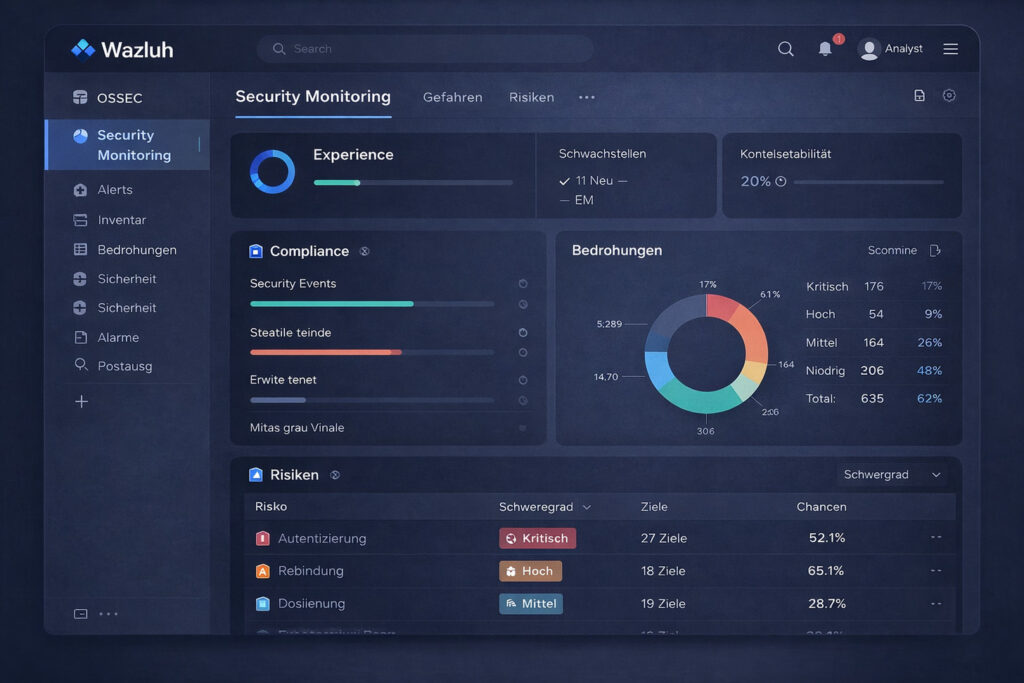
Wazuh is an open-source security platform that provides threat detection, integrity monitoring, and incident response capabilities. It offers SIEM functionality and integrates with popular tools like Elasticsearch and Kibana for data visualization and analysis.
With real-time security monitoring and compliance management, Wazuh helps organizations detect vulnerabilities, monitor system activity, and automate security operations. Its flexibility and scalability make it a top choice for businesses seeking an open-source alternative to commercial security platforms.
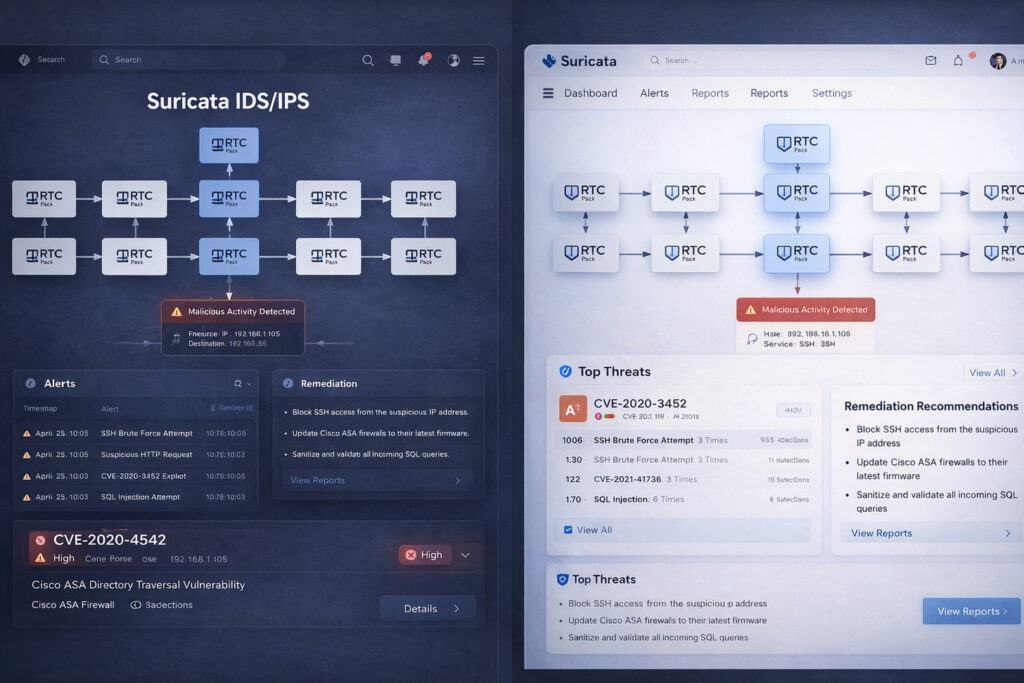
Suricata is an open-source intrusion detection and prevention system (IDS/IPS) that provides deep packet inspection, real-time traffic analysis, and network security monitoring. Developed by the Open Information Security Foundation (OISF), it’s highly efficient and supports multi-threading for analyzing large volumes of network traffic.
By analyzing network packets for malicious behavior, Suricata helps organizations strengthen their network security. It integrates with other open-source tools like Wazuh, enhancing its capabilities in cybersecurity threat detection and response.
Deep packet inspection for through traffic analysis
Multi-threading support for high-performance monitoring
Real-time detection of network-based threats
Integration with other security tools for enhanced protection
How to Choose the Right Threat Detection Tool
Selecting the appropriate threat detection solution requires careful consideration of your organization’s specific needs, infrastructure, and security objectives. Here are key factors to consider when evaluating different tools:
Factors to Consider
Organization size and industry-specific requirements
Current security infrastructure and integration needs
Specific threat landscape and risk profile
Budget constraints and total cost of ownership
Technical expertise of your security team
Deployment options (cloud, on-premises, hybrid)
Scalability to accommodate future growth
Common Pitfalls to Avoid
Implementing disconnected tools without a unified strategy
Choosing solutions that generate excessive false positives
Underestimating the resources required for effective implementation
Selecting tools that don’t align with your team’s technical capabilities
Failing to consider long-term maintenance and update requirements
Overlooking the importance of vendor support and community resources
Prioritizing features over usability and practical implementation
Remember that even the most advanced threat detection tools are only as effective as their implementation and the processes supporting them. A holistic approach to security that combines technology with well-defined procedures and skilled personnel will yield the best results.
Implementing Threat Detection in Your Organization
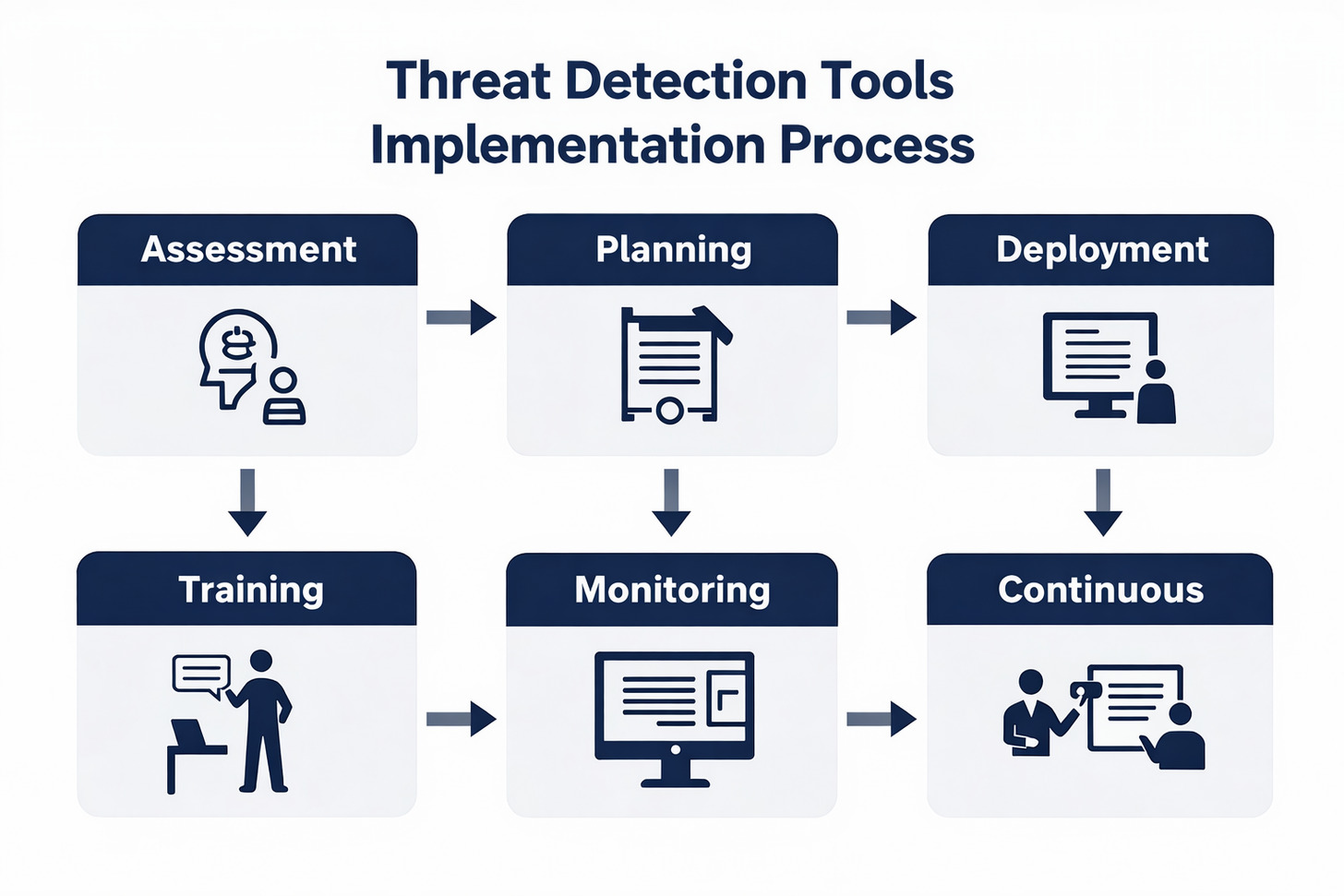
Successfully deploying threat detection tools requires a structured approach that goes beyond simply installing software. Here’s a framework for effective implementation:
Assess Your Current Security Posture Begin by evaluating your existing security infrastructure, identifying gaps, and understanding your specific threat landscape. This assessment will guide your tool selection and implementation strategy.
Define Clear Objectives Establish specific, measurable goals for your threat detection program. These might include reducing detection time, improving visibility into specific environments, or addressing particular compliance requirements.
Select Appropriate Deployment Options Choose between cloud-based, on-premises, or hybrid deployment models based on your organization’s requirements, considering factors like data sensitivity, regulatory constraints, and existing infrastructure.
Integrate with Existing Systems Ensure your threat detection tools work seamlessly with your current security stack, including SIEM systems, endpoint protection, and network monitoring solutions.
Train Your Security Team Provide comprehensive training to ensure your team can effectively use the new tools, interpret alerts, and respond appropriately to detected threats.
Establish Monitoring and Alert Procedures Develop clear processes for monitoring alerts, investigating potential threats, and escalating incidents when necessary. Define roles and responsibilities for each stage of the response process.
Regularly Review and Update Continuously evaluate the effectiveness of your threat detection strategy, adjusting configurations, updating rules, and incorporating new capabilities as threats evolve.
Integrating Threat Intelligence with Detection Tools
Threat intelligence feeds provide crucial context to what your detection tools are observing, transforming raw alerts into actionable insights. By connecting unusual activity to real-world threats like known malware infrastructure or phishing campaigns, you can significantly enhance your security posture.
Benefits of Integrated Threat Intelligence
Enhanced Context: Transform raw alerts into meaningful incidents by connecting them to known threat actors and campaigns
Reduced False Positives: Filter out noise by focusing on threats relevant to your industry and infrastructure
Proactive Defense: Identify emerging threats before they target your organization
Faster Response: Accelerate investigation and remediation with enriched threat data
Strategic Insights: Gain a deeper understanding of the threat landscape affecting your organization
Integration Approaches
API Integration: Connect threat intelligence platforms directly to detection tools via APIs
STIX/TAXII: Leverage standardized formats for sharing structured threat information
Custom Feeds: Develop tailored intelligence feeds focused on your specific threat landscape
Managed Services: Utilize vendor-provided intelligence that’s pre-integrated with their detection solutions
Community Sharing: Participate in information sharing communities relevant to your industry
For platforms seeking to embed this capability at scale, solutions like Hunt.io offer OEM integrations that supply real-time C2 infrastructure feeds, IOC enrichment APIs, and attacker attribution data—all designed to power threat detection from the inside out.
Common Threat Detection Challenges and Solutions
Even with sophisticated tools in place, organizations often face several challenges in implementing effective threat detection. Understanding these obstacles and how to overcome them is essential for maximizing the value of your security investments.
Challenge
Impact
Solution
Alert Fatigue
Security teams become overwhelmed by the volume of alerts, potentially missing critical threats
Implement alert prioritization, leverage automation for initial triage, and tune detection rules to reduce noise
False Positives
Excessive false alarms waste resources and reduce confidence in detection systems
Regularly refine detection rules, incorporate context from threat intelligence, and use machine learning to improve accuracy
Visibility Gaps
Blind spots in monitoring coverage allow threats to go undetected
Conduct comprehensive asset inventory, implement layered detection across all environments, and regularly test detection capabilities
Skill Shortages
Lack of qualified personnel to operate and maintain detection systems
Invest in training, consider managed detection services, and leverage automation to augment existing staff
Deploy cloud-native security tools, establish consistent visibility across environments, and implement identity-based monitoring
Important: Having an incident response plan is essential to the efficient management of security incidents. Document roles, procedures, and communication strategies in advance, and establish clear escalation paths to ensure detected threats are addressed promptly and effectively.
Conclusion
In 2026, effective threat detection is essential for protecting organizations against increasingly sophisticated cyberattacks. The right tools—combined with skilled teams and well-defined processes—enable faster detection, smarter response, and reduced risk.
At Atrity, we help businesses select, implement, and optimize advanced threat detection solutions tailored to their unique security needs. By combining technology, expertise, and continuous monitoring, Atrity ensures your organization stays resilient, proactive, and prepared for the evolving threat landscape.
Frequently Asked Questions About Threat Detection Tools
What’s the difference between threat detection and prevention?
While related, these concepts serve different purposes in a security strategy. Threat prevention focuses on blocking known threats before they enter your environment, using technologies like firewalls, antivirus, and access controls. Threat detection, on the other hand, identifies threats that have evaded preventive measures by monitoring for suspicious behavior, anomalies, and indicators of compromise within your environment. Both are essential components of a comprehensive security approach.
How do I measure the effectiveness of my threat detection tools?
Key metrics for evaluating threat detection effectiveness include mean time to detect (MTTD), mean time to respond (MTTR), false positive rate, detection coverage across different attack vectors, and the number of incidents detected by your tools versus those found through other means. Regular testing through penetration tests and red team exercises can also help assess how well your detection capabilities perform against realistic attack scenarios.
Can small organizations benefit from advanced threat detection tools?
Absolutely. While small organizations may have different requirements and resource constraints than large enterprises, they face many of the same threats. Many vendors offer scaled solutions suitable for smaller teams, and open-source options provide powerful capabilities without significant financial investment. Cloud-based solutions can also reduce the infrastructure and maintenance burden, making advanced detection more accessible to organizations with limited IT resources.
How do threat detection tools handle encrypted traffic?
Encrypted traffic presents a challenge for many detection tools, as they cannot inspect the content without decryption. Advanced solutions address this through various approaches, including analyzing metadata and traffic patterns, implementing SSL/TLS inspection (where appropriate and legal), examining certificate information, and using behavioral analysis to identify suspicious patterns without decrypting content. The approach should balance security needs with privacy considerations and regulatory requirements.
How often should threat detection tools be updated?
Threat detection tools should be updated regularly to maintain effectiveness against evolving threats. This includes signature updates (daily or more frequently), software updates (as released by vendors), detection rule tuning (ongoing, based on false positive analysis), and threat intelligence feeds (real-time or daily). Additionally, periodic reviews of your overall detection strategy should be conducted to identify gaps and incorporate new capabilities as threats and technologies evolve.

 Read More