
 Read More
Understanding Multi-Factor Authentication in SaaS Environments
Multi-factor authentication requires users to provide two or more verification factors to gain access to applications. Each factor falls into one of three distinct categories that work together to verify user identity.
The first factor represents something you know. This includes traditional passwords, PINs, or security questions. Users memorize these credentials and enter them during the login process.
The second factor involves something you have. Physical devices like smartphones generate one-time passwords through authenticator apps. Security tokens and trusted device verification also fall into this category.
The third factor encompasses something you are. Biometric authentication methods verify unique physical characteristics. Fingerprint scans, facial recognition, and voice authentication provide this biological verification layer.
SaaS platforms implement MFA through various authentication methods. Each method balances security requirements against user experience considerations. Organizations select appropriate factors based on their specific security needs and user demographics.
Common MFA Methods for SaaS
MFA Implementation Considerations
- User adoption and training requirements
- Device compatibility across platforms
- Backup authentication methods
- Integration with existing systems
- Compliance with industry regulations
- Cost-effectiveness of different factors
Modern MFA systems employ adaptive authentication strategies. Risk-based authentication evaluates multiple factors during each login attempt. Geographic location, device fingerprinting, and behavioral patterns inform authentication requirements.
The verification process typically begins with username password entry. Users then receive a prompt for the second factor authentication. This step-by-step verification creates multiple checkpoints against unauthorized access attempts.
Benefit #1: Enhanced Security Against Credential Theft
Stolen credentials represent the primary attack vector for data breaches. Hackers obtain passwords through phishing attacks, data breaches, or brute force methods. A compromised username password combination grants complete account access without MFA protection.
Multi-factor authentication eliminates this single point of failure. Even when attackers steal passwords, they cannot complete the login process without additional verification factors. This security enhancement reduces breach risk by more than ninety percent according to industry research.
Phishing attacks become significantly less effective against MFA-protected accounts. Cybercriminals trick users into revealing passwords through fake login pages. However, stolen passwords alone cannot bypass multi-factor authentication requirements.
Real-world example demonstrates this protection clearly. An Indian fintech company implemented MFA across their SaaS platform last year. Despite receiving over five hundred phishing attempts monthly, zero successful breaches occurred after MFA deployment.
Security Impact: Microsoft reports that MFA blocks 99.9% of automated attacks against user accounts. Organizations implementing basic MFA see immediate reduction in successful credential stuffing attacks and unauthorized access attempts.
Password reuse creates cascading security risks across multiple platforms. Users often employ identical credentials for different SaaS applications. When one service suffers a breach, attackers test those credentials everywhere.
MFA breaks this chain of compromise effectively. Each application requires its own second factor verification. Stolen passwords from one breach cannot unlock accounts protected by separate authentication methods.
The login process gains a critical verification checkpoint. Users must prove physical possession of their registered device. This requirement stops attackers operating from different locations or unrecognized devices.
Organizations experience immediate security improvements upon MFA implementation. Attack success rates drop dramatically while security teams gain valuable time to detect and respond to threats. This enhanced security posture protects sensitive business data and customer information from unauthorized access.
Benefit #2: Meeting Regulatory Compliance Requirements
Regulatory frameworks increasingly mandate strong authentication for data protection. Indian businesses must comply with multiple security standards to operate legally. MFA implementation addresses these compliance requirements effectively.
The Reserve Bank of India mandates additional factor authentication for financial transactions. Payment applications and banking SaaS platforms require MFA to process customer transactions. Non-compliance results in significant penalties and operational restrictions.
International standards like ISO 27001 require documented access control measures. Multi-factor authentication satisfies these information security management requirements. Organizations demonstrate commitment to security best practices through MFA implementation.
GDPR compliance demands appropriate technical measures for data protection. European customers expect robust security for their personal information. MFA provides the strong authentication framework GDPR regulations require.
Key Regulations
- RBI Payment System Guidelines
- ISO 27001 Requirements
- SOC 2 Compliance Standards
- GDPR Data Protection Rules
SOC 2 audits evaluate access control implementations rigorously. Auditors verify that only authorized users access sensitive systems. MFA demonstrates effective identity verification processes during compliance reviews.
Healthcare SaaS platforms must meet HIPAA security requirements. Patient data protection demands strict authentication protocols. Multi-factor authentication helps medical applications maintain HIPAA compliance effectively.
Industry-specific regulations often exceed basic password security. Financial services, healthcare, and government sectors face stricter authentication requirements. MFA provides the security framework these regulated industries need.
Documentation requirements become simpler with MFA systems. Authentication logs provide clear audit trails for compliance reporting. Security teams generate reports demonstrating access control effectiveness to regulators.
Insurance premiums often decrease for organizations with strong security controls. Cyber insurance providers recognize MFA as a critical risk mitigation measure. Companies implementing multi-factor authentication qualify for better coverage terms and lower premiums.
Benefit #3: Reduced Account Takeover and Fraud

Account takeover fraud costs businesses billions annually worldwide. Criminals steal user credentials and hijack accounts to commit financial fraud. Traditional password-only security provides insufficient protection against these sophisticated attacks.
Multi-factor authentication creates immediate barriers against account takeover attempts. Attackers must physically possess the user’s second factor device. This requirement makes account hijacking exponentially more difficult and resource-intensive for criminals.
E-commerce SaaS platforms face constant fraud attempts. Stolen customer accounts enable unauthorized purchases and payment fraud. MFA verification during checkout processes prevents these fraudulent transactions effectively.
A Mumbai-based online retailer reduced fraud losses by eighty-five percent after implementing MFA. Customer accounts with multi-factor authentication experienced zero successful takeover attempts. The company saved millions in prevented fraud losses and chargeback fees.
Fraud Prevention Statistics: Organizations report average fraud reduction of 70-90% after MFA implementation. Account takeover attempts drop dramatically when attackers realize additional authentication factors are required.
Identity theft becomes significantly harder with MFA protection. Criminals need both stolen credentials and physical access to authentication devices. This dual requirement deters most opportunistic attackers completely.
Financial SaaS applications particularly benefit from MFA protection. Banking platforms, payment processors, and investment applications handle sensitive financial data. Multi-factor authentication protects customer funds and prevents unauthorized transactions.
The verification process occurs in real-time during suspicious login attempts. Legitimate users receive immediate notification of authentication requests. This instant awareness allows users to recognize and report unauthorized access attempts quickly.
Customer trust increases when organizations demonstrate strong security measures. Users feel confident their accounts receive adequate protection. This trust translates to higher retention rates and positive brand reputation in competitive markets.
Fraud investigation costs decrease substantially with MFA implementation. Security teams spend less time investigating false alarms and compromised accounts. Resources redirect toward strategic security improvements rather than constant incident response.
Benefit #4: Improved User Experience Through Adaptive Authentication
Traditional security often conflicts with convenient user experience. Excessive security measures frustrate users and reduce productivity. Modern MFA systems balance security requirements against usability through intelligent authentication strategies.
Adaptive authentication adjusts security requirements based on risk assessment. Low-risk login attempts from recognized devices require minimal verification. Suspicious activities trigger stronger authentication requirements automatically.
Risk-based authentication evaluates multiple contextual factors during login. Geographic location, device fingerprints, and access patterns inform authentication decisions. This intelligent system provides seamless access for legitimate users while blocking suspicious attempts.
Trusted device recognition streamlines the authentication process significantly. Users register their primary devices during initial setup. Subsequent logins from recognized devices require only basic verification steps.
Low-Risk Scenarios
- Login from registered device
- Access from usual location
- Standard working hours access
- Normal behavioral patterns
- Single password verification required
High-Risk Scenarios
- New device or location
- Unusual access times
- Multiple failed attempts
- Suspicious IP addresses
- Full MFA verification required
Passwordless authentication represents the next evolution in user experience. Biometric verification replaces traditional password entry completely. Users authenticate through fingerprint scans or facial recognition without typing credentials.
Push notification authentication provides one-tap verification simplicity. Users receive authentication requests directly on their mobile devices. A single tap approves legitimate login attempts within seconds.
Single sign-on integration with MFA enhances user convenience dramatically. Employees authenticate once and access multiple SaaS applications seamlessly. This unified access management reduces login friction while maintaining strong security.
Remember me functionality works securely with proper MFA implementation. Systems remember trusted devices for specified periods. Users balance convenience with security based on their risk tolerance and organizational policies.
Mobile-first authentication designs accommodate modern usage patterns. Smartphone-based verification methods align with how users actually work. This approach improves adoption rates and reduces authentication abandonment.
User feedback shows satisfaction increases with well-implemented MFA. A Bangalore technology company reported ninety-two percent user approval after deploying biometric authentication. Employees appreciated both enhanced security and improved convenience.
Benefit #5: Secure Remote Access for Distributed Teams

Remote work arrangements became standard practice across Indian enterprises. Employees access SaaS applications from home offices, cafes, and co-working spaces. This distributed access model creates significant security challenges for traditional authentication methods.
Multi-factor authentication provides essential security for remote access scenarios. Geographic location no longer serves as a reliable security indicator. MFA verifies user identity regardless of access point or network connection.
Public WiFi networks expose data to interception risks. Coffee shop internet and hotel connections lack proper encryption. MFA protects accounts even when attackers compromise network traffic through man-in-the-middle attacks.
A Delhi-based software company supports three hundred remote employees across twelve states. Their MFA implementation ensures consistent security standards regardless of location. Zero security incidents occurred across remote workforce since deployment.
Remote Access Risk: Organizations without MFA face 300% higher breach risk from remote access points. Unsecured home networks and personal devices create multiple attack vectors that traditional passwords cannot protect against.
BYOD policies require stronger authentication frameworks. Employees use personal smartphones and laptops for business applications. MFA secures corporate data on unmanaged devices without complex mobile device management.
Contractor and temporary worker access demands additional security. External users require application access for limited project durations. Multi-factor authentication protects resources while enabling necessary collaboration.
Time-based access controls integrate seamlessly with MFA systems. Organizations restrict authentication to business hours automatically. After-hours access attempts trigger additional verification requirements or administrative approval.
Session management gains critical importance for remote access security. MFA systems enforce automatic logout after specified idle periods. Users must re-authenticate when resuming work after breaks or meetings.
VPN-less access becomes secure and practical with proper MFA. Modern zero-trust architectures verify every access request individually. This approach eliminates traditional network perimeter dependencies for remote security.
Geographic authentication policies enhance remote security further. Organizations restrict access from specific countries or regions. Unexpected location changes trigger immediate MFA challenges or block access entirely.
Benefit #6: Reduced Password Management Burden
Password fatigue affects users across all industries. Employees manage dozens of credentials for different SaaS applications. Complex password requirements create frustration and reduce productivity significantly.

Multi-factor authentication reduces reliance on complex password policies. Organizations implement simpler password requirements when MFA provides additional security. This approach maintains strong security while improving user experience.
Password reset requests consume substantial IT support resources. Help desk teams spend countless hours resetting forgotten credentials. MFA systems with biometric or device-based authentication minimize these support tickets dramatically.
A Chennai-based enterprise reduced password reset tickets by seventy percent after MFA deployment. IT support teams redirected saved time toward strategic technology initiatives. User satisfaction scores improved alongside reduced frustration with password issues.
Passwordless authentication eliminates password management entirely. Biometric verification or hardware tokens replace traditional credentials completely. Users authenticate through possession factors and biometric characteristics alone.
Cost Savings: Organizations save an average of ₹50,000 annually per 100 employees through reduced password reset support tickets. Additional savings come from decreased security incidents and improved productivity.
Password expiration policies become less critical with MFA protection. Traditional ninety-day password rotation creates user frustration without proportional security benefits. Multi-factor authentication provides continuous protection regardless of password age.
Social engineering attacks targeting passwords lose effectiveness. Attackers cannot leverage stolen or guessed passwords without additional factors. This protection remains effective even when users choose weak passwords.
Account lockout policies cause less disruption with MFA systems. Users authenticate through alternative factors when password attempts fail. This flexibility maintains security while preventing unnecessary access denials.
Password sharing between employees becomes technically impossible. Each user requires their personal device or biometric data. This enforcement improves accountability and audit trail accuracy substantially.
Self-service authentication management empowers users directly. Employees register and manage their authentication methods independently. This autonomy reduces IT workload while giving users control over their security preferences.
Benefit #7: Enhanced Visibility and Monitoring Capabilities

Comprehensive authentication logs provide valuable security intelligence. MFA systems track every login attempt with detailed contextual information. Security teams gain unprecedented visibility into access patterns and potential threats.
Authentication analytics reveal suspicious behavior patterns proactively. Unusual login times, impossible travel scenarios, and repeated failures trigger automatic alerts. This early warning system enables rapid response before breaches occur.
Real-time monitoring capabilities transform security operations dramatically. Security teams observe authentication attempts across entire organizations instantly. This visibility identifies coordinated attack campaigns targeting multiple accounts simultaneously.
Audit trails document who accessed what resources and when. Compliance teams generate comprehensive reports for regulatory requirements. This documentation proves essential during security audits and incident investigations.
| Authentication Data Point | Security Value | Use Case |
| Login timestamp | Detect after-hours access | Identify compromised accounts |
| Geographic location | Spot impossible travel | Block suspicious locations |
| Device fingerprint | Track device usage | Recognize new devices |
| Authentication method | Verify factor strength | Policy compliance |
| Failed attempts | Identify attack patterns | Trigger account lockout |
| IP address | Detect botnet activity | Block malicious sources |
Forensic investigation becomes significantly easier with comprehensive logs. Security teams reconstruct attack timelines accurately. This detailed information helps identify attack vectors and prevent future incidents.
User behavior analytics integrate with MFA data effectively. Machine learning algorithms establish baseline behavior patterns. Deviations from normal patterns trigger automatic security responses.
Integration with security information and event management systems creates unified visibility. SIEM platforms correlate authentication data with other security events. This comprehensive view enables faster threat detection and response.
Compliance reporting automation saves substantial administrative time. Systems generate required reports automatically from authentication logs. Organizations demonstrate security controls without manual data compilation efforts.
Benefit #8: Scalable Security for Growing Organizations
Business growth creates expanding security challenges. Adding employees, customers, and partners increases authentication complexity. MFA systems scale seamlessly alongside organizational expansion.
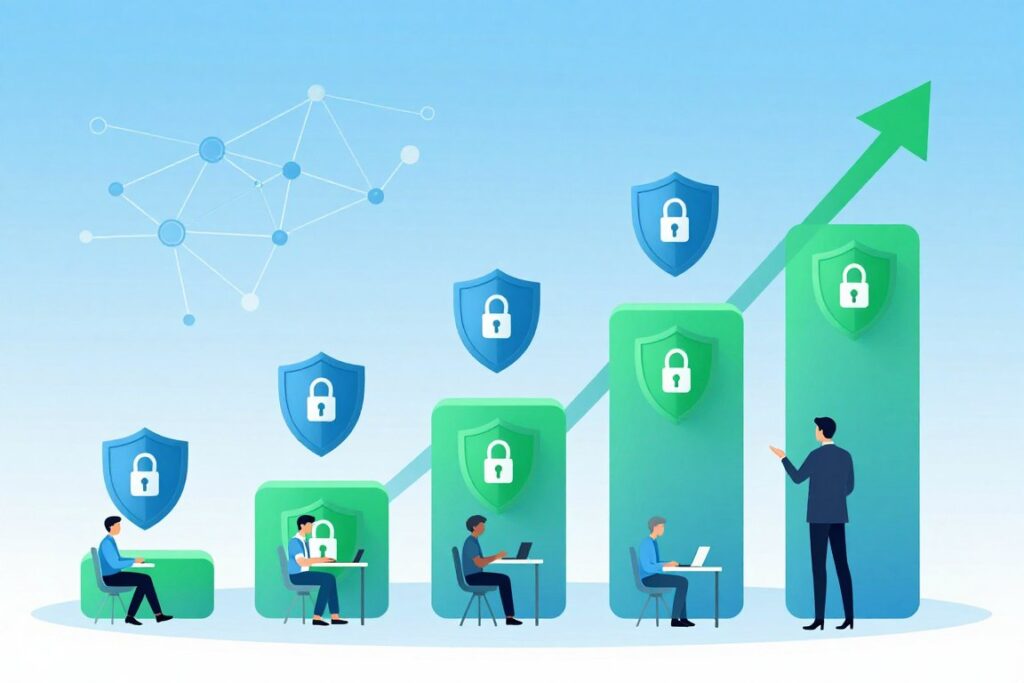
Cloud-based MFA solutions eliminate infrastructure constraints. Organizations add thousands of users without hardware investments. This elasticity supports rapid business expansion and seasonal workforce fluctuations.
Multi-tenant SaaS platforms serve thousands of customer organizations. Each tenant requires isolated authentication management. MFA systems provide secure tenant separation while maintaining centralized administration.
API-based authentication enables custom integration scenarios. Development teams incorporate MFA into proprietary applications easily. This flexibility supports diverse technical environments and legacy systems.
A Hyderabad-based SaaS company grew from fifty to five hundred employees within eighteen months. Their MFA system scaled effortlessly without performance degradation. Authentication response times remained consistent regardless of user volume.
Scaling Advantages
- No hardware infrastructure required
- Instant user provisioning
- Flexible licensing models
- Global availability and redundancy
- Automatic capacity adjustment
- Predictable per-user costs
Enterprise Features
- Hierarchical administration structures
- Department-level policy control
- Bulk user management tools
- Advanced reporting capabilities
- Custom authentication workflows
- Integration with HR systems
Partner and customer authentication scales independently. B2B SaaS platforms authenticate external users without affecting internal systems. This separation maintains security while enabling ecosystem growth.
Geographic expansion poses no authentication barriers. Cloud-based MFA provides consistent security globally. Regional offices implement identical security standards without local infrastructure investments.
Mergers and acquisitions complicate authentication management significantly. Organizations must consolidate multiple identity systems rapidly. MFA platforms facilitate smooth integration of acquired companies.
Automated user provisioning reduces administrative workload dramatically. Integration with HR systems creates accounts automatically. New employees receive immediate access without manual IT intervention.
Performance remains consistent regardless of authentication volume. Modern MFA systems handle millions of daily authentication requests. This reliability ensures business continuity during peak usage periods.
Benefit #9: Cost-Effective Security Investment
Security breaches create devastating financial consequences. Data breach costs average millions in direct losses, regulatory fines, and reputation damage. MFA implementation represents a fraction of potential breach expenses.
Return on investment calculations favor MFA adoption overwhelmingly. Organizations recoup implementation costs within months through prevented incidents. Long-term savings compound as security posture strengthens continuously.
Insurance premium reductions offset MFA costs partially. Cyber insurance providers recognize multi-factor authentication as essential risk mitigation. Organizations with MFA qualify for significantly lower insurance rates.
A Pune-based financial services company saved ₹2.5 crore annually after MFA deployment. Reduced fraud losses, lower insurance premiums, and decreased IT support costs contributed to substantial savings. Their initial investment paid for itself within four months.
Cost Comparison: Average data breach costs ₹16 crore for Indian organizations. MFA implementation costs range from ₹50,000 to ₹5 lakh depending on organization size. The cost-benefit ratio strongly favors proactive MFA adoption.
Regulatory penalty avoidance provides significant financial protection. Non-compliance fines reach millions for security violations. MFA helps organizations meet regulatory requirements and avoid these penalties.
Productivity losses from security incidents impact bottom lines substantially. Account lockouts, incident response, and system downtime cost organizations dearly. MFA prevents these disruptive incidents proactively.
Customer acquisition costs decrease when security becomes a competitive advantage. Prospects increasingly evaluate security capabilities during vendor selection. Strong authentication demonstrates commitment to data protection.
Support ticket reduction generates ongoing operational savings. Fewer password resets and account recovery requests reduce IT workload. These savings accumulate continuously throughout MFA lifecycle.
Direct Cost Savings
- Prevented breach losses
- Reduced fraud expenses
- Lower insurance premiums
- Decreased support costs
- Avoided compliance fines
Indirect Benefits
- Protected brand reputation
- Maintained customer trust
- Competitive differentiation
- Increased productivity
- Improved employee confidence
Long-Term Value
- Scalable security foundation
- Future-proof authentication
- Regulatory preparedness
- Risk mitigation framework
- Strategic security advantage
Implementation complexity decreased significantly with modern MFA solutions. Cloud-based platforms deploy within days rather than months. This rapid deployment minimizes consulting expenses and internal resource requirements.
Total cost of ownership remains predictable with subscription pricing. Organizations budget authentication costs accurately without surprise expenses. Transparent pricing models enable financial planning and cost allocation.
Implementing MFA Successfully in Your SaaS Environment
Successful MFA deployment requires careful planning and execution. Organizations must balance security requirements against user adoption considerations. A phased approach minimizes disruption while building organizational confidence.
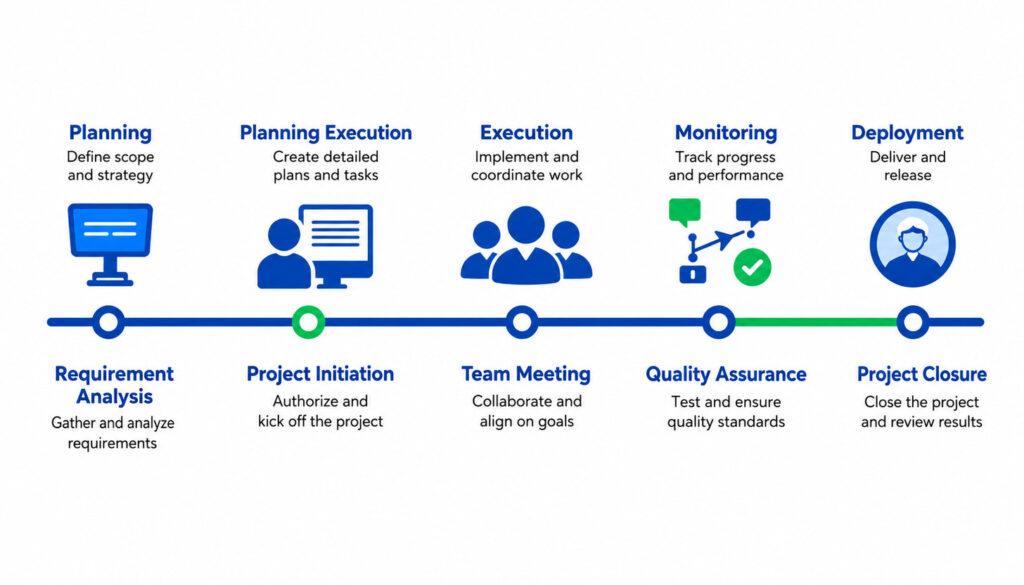
Assessment phase identifies current security gaps and requirements. Security teams evaluate existing authentication methods and infrastructure. This analysis determines appropriate MFA factors and implementation strategies.
Pilot programs test MFA with limited user groups initially. IT departments or security teams serve as ideal pilot participants. Early feedback identifies issues before organization-wide deployment.
User education ensures smooth adoption and reduces support burden. Training sessions demonstrate authentication processes clearly. Documentation provides ongoing reference materials for common questions.
- Conduct security assessment and define requirements
- Select appropriate MFA solution and authentication methods
- Design authentication policies and user workflows
- Deploy pilot program with limited user group
- Gather feedback and refine implementation
- Roll out organization-wide with phased approach
- Monitor adoption and provide ongoing support
- Review and optimize authentication policies regularly
Communication strategies prepare users for upcoming changes. Advance notice explains MFA benefits and implementation timeline. Regular updates maintain engagement throughout deployment process.
Technical integration requires coordination across multiple systems. Identity providers, SaaS applications, and directory services must synchronize properly. Testing verifies authentication flows before production deployment.
Backup authentication methods prevent lockout scenarios. Users register multiple factors during enrollment. SMS codes provide fallback when primary methods become unavailable.
Ongoing monitoring ensures continued MFA effectiveness. Security teams review authentication logs for anomalies. Regular policy reviews adapt authentication requirements to evolving threats.
Implementation Timeline: Most organizations complete MFA deployment within 4-8 weeks. Complex enterprises with legacy systems may require 3-6 months. Cloud-based SaaS platforms typically deploy faster than on-premises solutions.
Change management addresses organizational resistance proactively. Stakeholder engagement builds support across departments. Executive sponsorship demonstrates organizational commitment to security.
Choosing the Right MFA Solution for Your Organization
MFA solution selection significantly impacts implementation success. Organizations must evaluate multiple factors beyond basic functionality. The right solution aligns with technical requirements, user needs, and budget constraints.
Authentication method diversity provides flexibility for different scenarios. Biometric options suit mobile-first users while hardware tokens serve industrial environments. Multiple method support accommodates varied user preferences and requirements.
Integration capabilities determine implementation complexity substantially. Native integrations with popular SaaS applications simplify deployment. API availability enables custom integration scenarios when needed.
Scalability considerations impact long-term solution viability. Cloud-based platforms accommodate growth without infrastructure investments. Licensing models should align with organizational expansion plans.
Evaluation Criteria
- Supported authentication methods
- SaaS application integrations
- Scalability and performance
- User experience quality
- Administration capabilities
- Reporting and analytics
- Compliance certifications
- Vendor support quality
User experience quality affects adoption rates directly. Intuitive interfaces reduce training requirements and support tickets. Mobile application quality matters for smartphone-dependent authentication methods.
Administration tools determine ongoing management efficiency. Bulk user management, policy templates, and automation reduce administrative workload. Delegated administration enables departmental security management.
Compliance certifications validate security standards adherence. SOC 2, ISO 27001, and regional certifications demonstrate vendor commitment. These certifications simplify organizational compliance requirements.
Support quality impacts implementation success and ongoing operations. Vendor expertise accelerates deployment and troubleshooting. Local support availability matters for Indian organizations requiring regional assistance.
Cost structures vary significantly across MFA vendors. Per-user pricing models suit predictable user counts. Transaction-based pricing benefits seasonal usage patterns. Hidden costs like implementation fees require evaluation.
Trial periods enable hands-on evaluation before commitment. Organizations test functionality with actual users and applications. This practical assessment reveals issues theoretical evaluations might miss.
Conclusion: Securing Your SaaS Future with Multi-Factor Authentication
Multi-factor authentication transforms SaaS security fundamentally. The nine benefits explored throughout this article demonstrate MFA’s comprehensive value proposition. Organizations implementing MFA gain immediate security improvements alongside long-term strategic advantages.
Enhanced security against credential theft protects organizations from devastating breaches. Compliance requirements become manageable rather than burdensome. Account takeover and fraud losses decrease dramatically.
User experience improvements through adaptive authentication eliminate traditional security friction. Remote access becomes secure regardless of location or device. Password management burden decreases substantially for users and IT teams alike.
Visibility and monitoring capabilities enable proactive threat detection. Scalability ensures security grows alongside your organization seamlessly. Cost-effectiveness makes MFA accessible for organizations of all sizes.
The threat landscape continues evolving rapidly. Cybercriminals develop increasingly sophisticated attack methods constantly. Organizations must adopt proactive security measures rather than reactive incident response.
MFA implementation represents essential investment in organizational future. Data breaches create catastrophic consequences extending far beyond immediate financial losses. Reputation damage, customer trust erosion, and regulatory penalties compound breach impacts substantially.
Indian businesses face unique security challenges and opportunities. Rapid digital transformation increases both efficiency and vulnerability simultaneously. MFA provides the security foundation enabling confident digital growth.
